
• Our Research
    • Research Strategy
    • Research Sites
    • Current Research Projects
    • Research Results
    • Research Collaborations
    • Research Resources
    • Seed Industry Research Centre
    Current Research
    Current Research
    Research Results
    Research Results
  • Resources
    • Biosecurity
    • Crop Action
    • Nutrient Management
    • Maize
    • Templates and Calculators
    • Cereals
    • Weeds
    • Pests
    • Seeds
    • Diseases
    • News
    • Environment
    • Soil
    • Schools
    Podcast
    Podcast
    Environment and Compliance
    Environment and Compliance
  • Levies & Returns
    • Arable Crops Levy
    • Maize Levy
    • Cereal Silage Levy
    • Farmer Annual Return Form
    • Wholesaler Annual Return Form
    Levies
    Levies
    Annual Returns
    Annual Returns
  • Events
  • News
  • About Us
    • Governance and growers
    • Business Strategy
    • Our People
    • Careers
    • Growers Leading Change
    • Women in Arable
    • Arable Ys
    • Arable Kids
    • Arable Research Groups (ARGs)
    • New Zealand Grown Grains
    Our People
    Our People
    Growers Leading Change
    Growers Leading Change
  • Ask FAR AI
  • Weather
  • Log In
Ask FAR AI
Weather
Log In
  • Homepage
  • Resources
  • Free Herbicide Resistance Testing

Free herbicide resistance testing

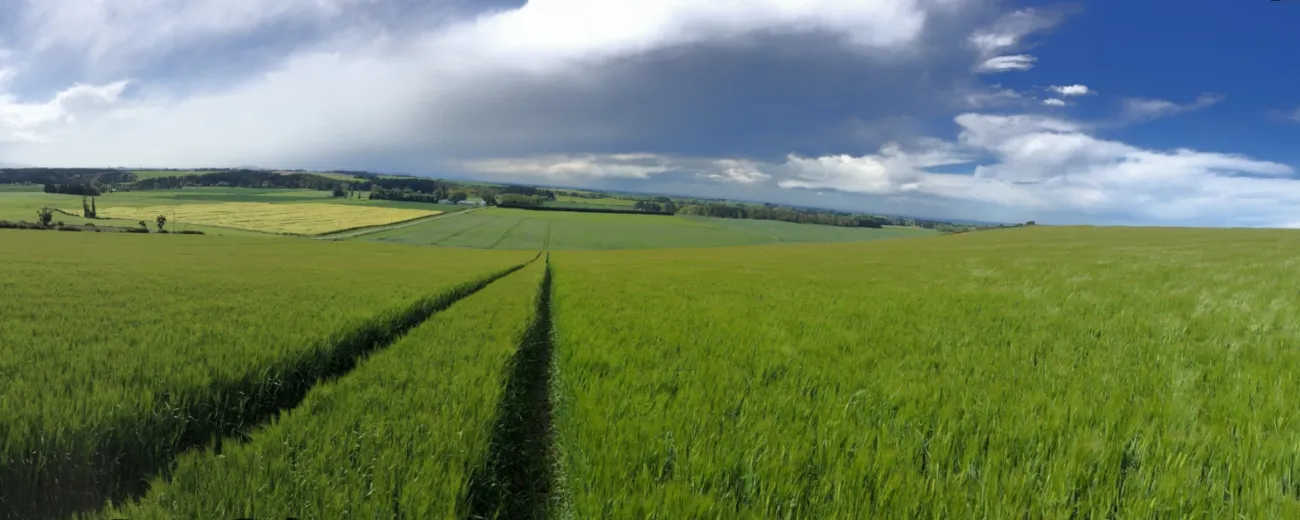
Arable landscape
07 January 2026
Read PDF Online

Arable growers worried that some weeds in their crops may have developed herbicide resistance can now get the suspected plants tested for free. Find out how you can take part here.

FAR senior field research officer Matilda Gunnarsson says that prior to harvesting, farmers should get weeds growing in their crops tested for herbicide resistance. While some weeds will have emerged after the final herbicide application some may have survived treatment and have resistance. 

“To find out, get it tested,” Matilda says. 

“Resistance is a numbers’ game. The more weeds you have in a paddock, the more likely it is that there will be resistance.”

Typical weeds are grass weeds in cereal crops. “It can be grasses or broadleaf weeds. Whatever you suspect is resistant, get it tested.” 

To get the suspect plants tested, farmers need to cut off dry, mature weed seed heads and put them in a paper or plastic zip lock bag. Go to the FAR website, print out the herbicide resistance testing form and fill out the details including what herbicides have been used. Send this to the FAR office. 

Seed will be tested at AgResearch facilities (now part of the Bioeconomy Science Institute). Depending on the amount of seed available, samples will be tested over one to six herbicides at label rates to determine resistance. This includes both pre and post emerge herbicides if applicable. 

“Make sure the weed seeds are viable to achieve a good germination rate at testing. Keep the plants in separate bags, as this gives a better understanding of the resistance profile in the paddock,” Matilda says.  

Download the submission form here to get started. 

Downloads

  • Herbicide resistance submission form 129.884 KB

Related Resources

08 January 2026

The drying and storage of grain and herbage seeds

Welcome to the revised 2025 version of  The drying and storage of grain and herbage seed, first published in 1999. The book comprises six chapters that cover grain characteristics and their reaction to climate, the importance of seed moisture, the drying system, the storage environment, storage pests and their control, and construction considerations. These have been edited and updated by FAR staff and independent experts from the original chapters written by the late Murray Hill.

Read more
08 January 2026

Economic impact of New Zealand's arable industry

The Arable Food Industry Council (AFIC) commissioned Business and Economic Research Limited (BERL) to provide a comprehensive overview of the diverse arable production activities in New Zealand and the associated economic impact to the New Zealand economy. 

Read more
08 January 2026

Fall armyworm surveillance network refined for 2025/26 season

A review of New Zealand’s fall armyworm surveillance network has confirmed that crop scouting is the most reliable and informative tool for understanding fall armyworm (FAW) activity. However, it also acknowledges that scouting is time consuming and that industry personnel struggle to keep up in the height of the season.

Read more
08 January 2026

Black-grass update December 2025

Growers are reminded to report any grass weeds that appear unfamiliar or could resemble black-grass (Alopecurus myosuroides). Early reporting remains one of our strongest tools for protecting the industry.

Read more
08 January 2026

ARIA 2025 booklet

If you couldn't make it to ARIA this year, make sure you check out the booklet here. 

Read more
08 January 2026

Speeding up agricultural compound and veterinary medicine assessments

New Zealand Food Safety and the Australian Pesticides and Veterinary Medicines Authority (APVMA) have signed an agreement that will see the two countries sharing assessments of new products.

Read more
08 January 2026

Arable sector gets its own code of conduct

A new Arable Industry Code of Conduct will give New Zealand’s arable sector a clearer, more consistent way of doing business — helping strengthen relationships and confidence across the industry.

Read more
08 January 2026

No change to glyphosate residues for human consumption

New Zealand Food Safety (NZFS) has announced today that glyphosate residue limits for wheat, barley and oats for human consumption will stay at 0.1mg/kg. Restrictions will be introduced on permitted use.

Read more
08 January 2026

Much interest in New Zealand Grown Grains accreditation

Interest in the New Zealand Grown Grains logo is high, following its launch in Auckland earlier in October.

Read more
08 January 2026

H81 Managing small broomrape in clover

This Arable Update describes the biology of small broomrape and initial data on control options including herbicides and their application timing.

Read more

Ask FAR AI

Ask FAR is a new way to get information from the FAR website. Just ‘Ask FAR’ a question and you’ll get a quick, accurate response based on FAR research and resources. Ask FAR also provides links to the original documents for more information. It’s quick, easy and reliable. Ask FAR now!

Start Chatting
  • Research
  • Levies and Returns
  • Resources
  • Events
  • News
  • Contact Us
  • Schools
  • About Us
  • Privacy Policy
  • Terms of use

©2022 Foundation for Arable Research