
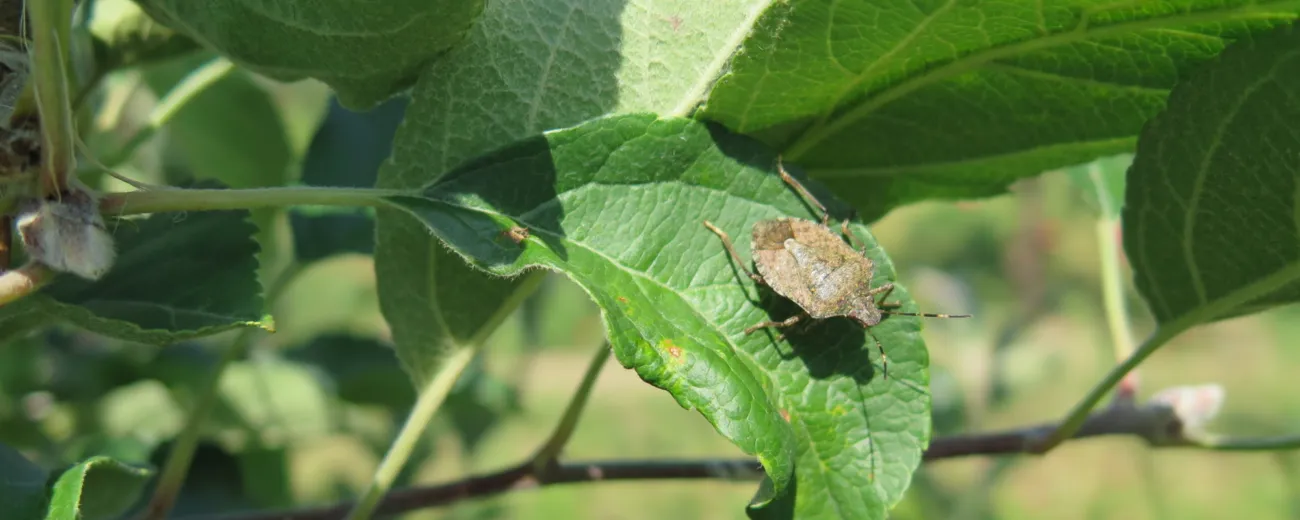
A single male brown marmorated stink bug (BMSB) has been detected in a surveillance trap in Ōrākei, Auckland. The find was made on Tuesday 3 February, during routine monitoring.
Biosecurity New Zealand responded at once. Inspectors completed site checks and found no further insects. Additional traps have now been placed in the area. Diagnostic work is underway to help determine the insect’s likely origin.
The trap formed part of a kiwifruit surveillance programme funded by Kiwifruit Vine Health (KVH), with supporting research from Zespri Innovation. The programme includes new trap technology that has performed well overseas, including in Australia.
New Zealand’s national BMSB surveillance system, led by Biosecurity New Zealand, operates around 300 traps at high-risk sites. Under the Government Industry Agreement (GIA), Biosecurity New Zealand, SGRR and industry partners maintain clear readiness and response plans. These systems are designed to ensure rapid action when a post-border detection occurs.
For Seed and Grain Readiness and Response (SGRR), the biosecurity organisation that covers the arable industry, this detection is an encouraging result. BMSB is a serious threat to many crops across the arable sector, including maize, pulses, vegetable seeds and cereal crops. Feeding damage can reduce yield, lower quality, and create market risk. Early detection is therefore critical.
This event shows that the system is working as intended. The detection remains under investigation. At this stage it has not been escalated to a formal response while further information is gathered. The insect was found early, action was swift, and coordination between agencies and industry partners was effective.
The high-risk period for BMSB in New Zealand runs from September to April. Growers are encouraged to remain alert and to report any suspect insects promptly. Early reporting supports rapid containment and reduces risk to crops.
SGRR will continue to work closely with Biosecurity New Zealand and horticulture partners to protect both arable and horticultural production. Growers will be kept informed as further information becomes available.