
• Our Research
    • Research Strategy
    • Research Sites
    • Current Research Projects
    • Research Results
    • Research Collaborations
    • Research Resources
    • Seed Industry Research Centre
    Current Research
    Current Research
    Research Results
    Research Results
  • Resources
    • Biosecurity
    • Crop Action
    • Nutrient Management
    • Maize
    • Templates and Calculators
    • Cereals
    • Weeds
    • Pests
    • Seeds
    • Diseases
    • News
    • Environment
    • Soil
    • Technology
    • Schools
    Podcast
    Podcast
    Environment and Compliance
    Environment and Compliance
  • Levies & Returns
    • Arable Crops Levy
    • Maize Levy
    • Cereal Silage Levy
    • Farmer Annual Return Form
    • Wholesaler Annual Return Form
    Levies
    Levies
    Annual Returns
    Annual Returns
  • Events
  • News
  • About Us
    • Governance and growers
    • Business Strategy
    • Our People
    • Careers
    • Growers Leading Change
    • Women in Arable
    • Arable Ys
    • Arable Kids
    • Arable Research Groups (ARGs)
    • New Zealand Grown Grains
    Our People
    Our People
    Growers Leading Change
    Growers Leading Change
  • Ask FAR AI
  • Weather
  • Log In
Ask FAR AI
Weather
Log In
  • Homepage
  • Resources
  • Farm Decisions After A Storm Or Other Natural Disaster

Farm decisions after a storm or other natural disaster

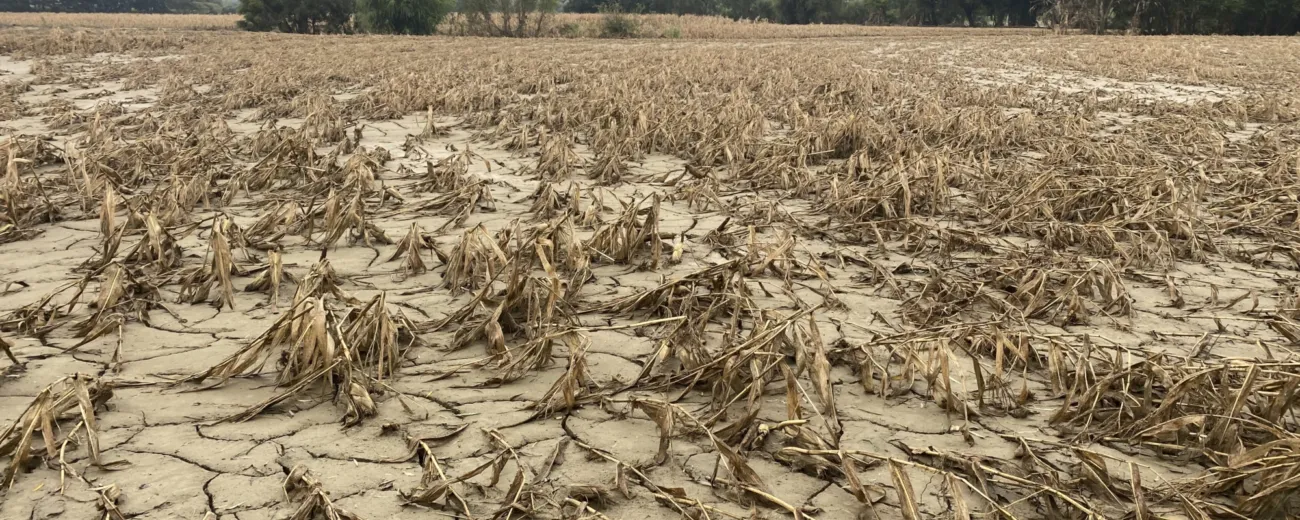
Cyclone Gabrielle Gisborne

For two years after Cyclone Gabrielle, FAR spoke to a number of affected farmers and growers to learn how they , and their families, worked their way through the aftermath. Their answers were compiled into a lengthy report, then summarised into a poster outlining the most important things to consider and do in the daynewss and weeks following a disaster.

While some of the messages refer specifically to silt management, most are relevant to dealing with the aftermath of any natural disaster. These farmer had two key messages...

  1. Make sure that you and your family are safe before worrying about the farm.
  2. Despite the enormity of the event, you will find a way to get through.

Read the poster here

Related Resources

22 August 2026

From the Ground Up Issue, 124

Welcome to the Winter 2026 edition of From the Ground Up.

Read more
22 August 2026

Arable was the winner on the night

Eight award winners were named on Thursday night (20 August, 2026) and four people/couples were inducted into the Arable Industry Hall of Fame.

Read more
22 August 2026

Carbon footprint of New Zealand grown animal feeds

A FAR project is helping arable and dairy farmers understand more about the greenhouse gas emissions associated with growing and using feed wheat, feed barley, maize grain and maize silage.

Read more
22 August 2026

Support for growers to attend conferences

Did you know that FAR has a fund to support growers who wish to attend relevant international conferences and events?

Read more
22 August 2026

FAR Strategy 2026-2031

New FAR strategy to strengthen New Zealand's arable future.

Read more
22 August 2026

Calling East Coast maize growers...

If you’re an East Coast maize grower interested in improving nitrogen use efficiency, profitability and environmental outcomes, read on! FAR is offering several opportunities for maize growers to learn, collaborate and help shape future nitrogen management recommendations.

Read more
22 August 2026

Southern Arable Research Hub

FAR's Southern Arable Research Hub at Knapdale, north of Gore, is currently entering its third season. Here’s an update of what has been going on.

Read more
22 August 2026

Seeking grower input

Want to have more of a say in how FAR operates in Canterbury? We’re looking for growers to join the Mid-Canterbury (MC) and Northern South Island (NSI) Arable Research Groups (ARGs). ARGs work with FAR to guide research and extension delivery within their region. Each of FAR’s seven ARGs includes up to 11 growers and up to five appointed members (usually from industry). They meet three or four times a year to share regional ideas and information and discuss research and extension projects. 

Read more
22 August 2026

Saving cost though input application efficiency

With concerns about fuel and fertiliser prices increasing, FAR Technology Manager Chris Smith has some tips for doing your best to use inputs as efficiently as possible. 

Read more
22 August 2026

Updated Costs of Production

FAR contracts Macfarlane Rural Business (MRB) to update the Cost of Production spreadsheet annually. There are two spreadsheets below. The first is based on forecast figures for the for the 2026-27 harvest and now includes mid-Canterbury irrigated  winter OSR, sunflowers, and maize silage, along with Hawkes Bay unirrigated maize grain. The second is based on 2025/26 figures.

Read more

Ask FAR AI

Ask FAR is a new way to get information from the FAR website. Just ‘Ask FAR’ a question and you’ll get a quick, accurate response based on FAR research and resources. Ask FAR also provides links to the original documents for more information. It’s quick, easy and reliable. Ask FAR now!

Start Chatting
  • Research
  • Levies and Returns
  • Resources
  • Events
  • News
  • Contact Us
  • Schools
  • About Us
  • Privacy Policy
  • Terms of use

©2022 Foundation for Arable Research