• Our Research
    • Research Strategy
    • Research Sites
    • Current Research Projects
    • Research Results
    • Research Collaborations
    • Research Resources
    • Seed Industry Research Centre
    Current Research
    Current Research
    Research Results
    Research Results
  • Resources
    • Biosecurity
    • Crop Action
    • Nutrient Management
    • Maize
    • Templates and Calculators
    • Cereals
    • Weeds
    • Pests
    • Seeds
    • Diseases
    • News
    • Environment
    • Soil
    • Technology
    • Schools
    Podcast
    Podcast
    Environment and Compliance
    Environment and Compliance
  • Levies & Returns
    • Arable Crops Levy
    • Maize Levy
    • Cereal Silage Levy
    • Farmer Annual Return Form
    • Wholesaler Annual Return Form
    Levies
    Levies
    Annual Returns
    Annual Returns
  • Events
  • News
  • About Us
    • Governance and growers
    • Business Strategy
    • Our People
    • Careers
    • Growers Leading Change
    • Women in Arable
    • Arable Ys
    • Arable Kids
    • Arable Research Groups (ARGs)
    • New Zealand Grown Grains
    Our People
    Our People
    Growers Leading Change
    Growers Leading Change
  • Ask FAR AI
  • Weather
  • Log In
Ask FAR AI
Weather
Log In
  • Homepage
  • Resources
  • Ryegrass Seed Costs Of Production Estimated At 3 73 Kg For 2026 27

Ryegrass seed costs of production estimated at $3.73/kg for 2026/27

Ryegrass

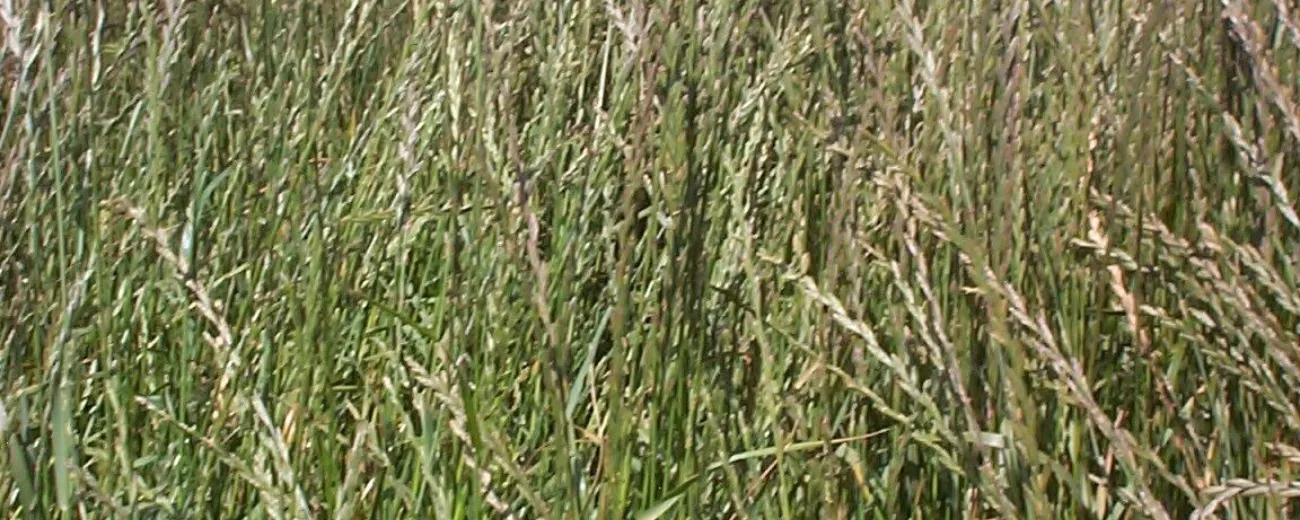
Independent analysis of estimated on-farm ryegrass seed crop growing costs in Canterbury for the 2026/27 season shows a median cost of production to be $3.73 per kilo for growing costs and farm overheads plus business costs. 

Ryegrass seed growers in Canterbury have asked for better information on the full costs of producing this crop. The Foundation for Arable Research (FAR) and Federated Farmers contracted Macfarlane Rural Business (MRB) to independently survey farms and estimate the costs of production for ryegrass seed crops in Canterbury for the 2026/27 season (to be harvested 2027). The purpose of the analysis is to help individual growers understand and benchmark their own costs.

MRB collected line-by-line growing costs from 19 working farms covering 356 ha of ryegrass crop and 737 t of seed. Of these farms sampled, 16 were irrigated and 3 were not. Growing costs are each grower's own budget for the 2026/27 crop, using current contractor rates and current fertiliser and diesel prices published on supplier websites. Overheads come from each farm's 2025/26 cashbook, and have been checked against Stats NZ's farm expenses price index and CPI to make sure they are reasonable. 

Read the summary document along with an explanatory Question and Answer sheet here.

Related Resources

28 October 2026

Spring field walk booklet September 2026

If you couldn't make it to this year's early spring field walks check out the booklet here.

Read more
28 October 2026

New Zealand’s seed and grain sector, growers, and government join to drive arable sector growth and resilience

Arable sector industry bodies and the Government have committed to working together on actions to drive the future success and resilience of New Zealand’s arable sector.

Read more
28 October 2026

From the Ground Up Issue, 124

Welcome to the Winter 2026 edition of From the Ground Up.

Read more
28 October 2026

Arable was the winner on the night

Eight award winners were named on Thursday night (20 August, 2026) and four people/couples were inducted into the Arable Industry Hall of Fame.

Read more
28 October 2026

H86 Effect of row spacing on seed yield in two white clover cultivars

Row spacing is an important management strategy in white clover (Trifolium repens) seed crops. Stolons grow outward from the crown of the plant into the space between rows. Nodes produced along the stolon bear either vegetative axillary growth (e.g. a branch) or a reproductive leaf-flower combination. The more nodes that are produced per stolon, and subsequently per unit area, the greater opportunity for flower production and thereby seed yield. In theory, wider row spacing should produce more flowers/m2 due to more space for stolon proliferation.

Read more
28 October 2026

Carbon footprint of New Zealand grown animal feeds

A FAR project is helping arable and dairy farmers understand more about the greenhouse gas emissions associated with growing and using feed wheat, feed barley, maize grain and maize silage.

Read more
28 October 2026

FAR Strategy 2026-2031

New FAR strategy to strengthen New Zealand's arable future.

Read more
28 October 2026

Calling East Coast maize growers...

If you’re an East Coast maize grower interested in improving nitrogen use efficiency, profitability and environmental outcomes, read on! FAR is offering several opportunities for maize growers to learn, collaborate and help shape future nitrogen management recommendations.

Read more
28 October 2026

H85 Plantain seed crop responses to spring nitrogen in Canterbury

Plantain has become an increasingly important component of pasture seed mixes, driven in part by heightened environmental concerns regarding nitrate leaching from grazed pastoral systems. Nitrogen (N) fertiliser management is widely regarded as the principal agronomic lever for increasing plantain seed yield, especially in environments with low inherent soil fertility. This project aims to improve the agronomy of plantain seed production by identifying optimal biological and economic N application rates.

Read more
28 October 2026

H84 Yield responses to fungicides in perennial ryegrass seed crops

Perennial ryegrass (Lolium perenne L.) is the main ryegrass species grown for seed in New Zealand, supporting both pasture and turf markets. Canterbury leads production, with around 12,000 ha sown annually. This study pulls together results from ten Canterbury field trials to assess how different fungicide programmes and timings affect seed yield. It compares early versus late applications and offers practical advice to help growers improve rust control and maximise returns.

Read more

Ask FAR AI

Ask FAR is a new way to get information from the FAR website. Just ‘Ask FAR’ a question and you’ll get a quick, accurate response based on FAR research and resources. Ask FAR also provides links to the original documents for more information. It’s quick, easy and reliable. Ask FAR now!

Start Chatting
  • Research
  • Levies and Returns
  • Resources
  • Events
  • News
  • Contact Us
  • Schools
  • About Us
  • Privacy Policy
  • Terms of use

©2022 Foundation for Arable Research