
• Our Research
    • Research Strategy
    • Research Sites
    • Current Research Projects
    • Research Results
    • Research Collaborations
    • Research Resources
    • Seed Industry Research Centre
    Current Research
    Current Research
    Research Results
    Research Results
  • Resources
    • Biosecurity
    • Crop Action
    • Nutrient Management
    • Maize
    • Templates and Calculators
    • Cereals
    • Weeds
    • Pests
    • Seeds
    • Diseases
    • News
    • Environment
    • Soil
    • Schools
    Podcast
    Podcast
    Environment and Compliance
    Environment and Compliance
  • Levies & Returns
    • Arable Crops Levy
    • Maize Levy
    • Cereal Silage Levy
    • Farmer Annual Return Form
    • Wholesaler Annual Return Form
    Levies
    Levies
    Annual Returns
    Annual Returns
  • Events
  • News
  • About Us
    • Governance and growers
    • Business Strategy
    • Our People
    • Careers
    • Growers Leading Change
    • Women in Arable
    • Arable Ys
    • Arable Kids
    • Arable Research Groups (ARGs)
    • New Zealand Grown Grains
    Our People
    Our People
    Growers Leading Change
    Growers Leading Change
  • Ask FAR AI
  • Weather
  • Log In
Ask FAR AI
Weather
Log In
  • Homepage
  • Resources
  • 2026 Harvest Adversity Recognised By Government

2026 harvest adversity recognised by government

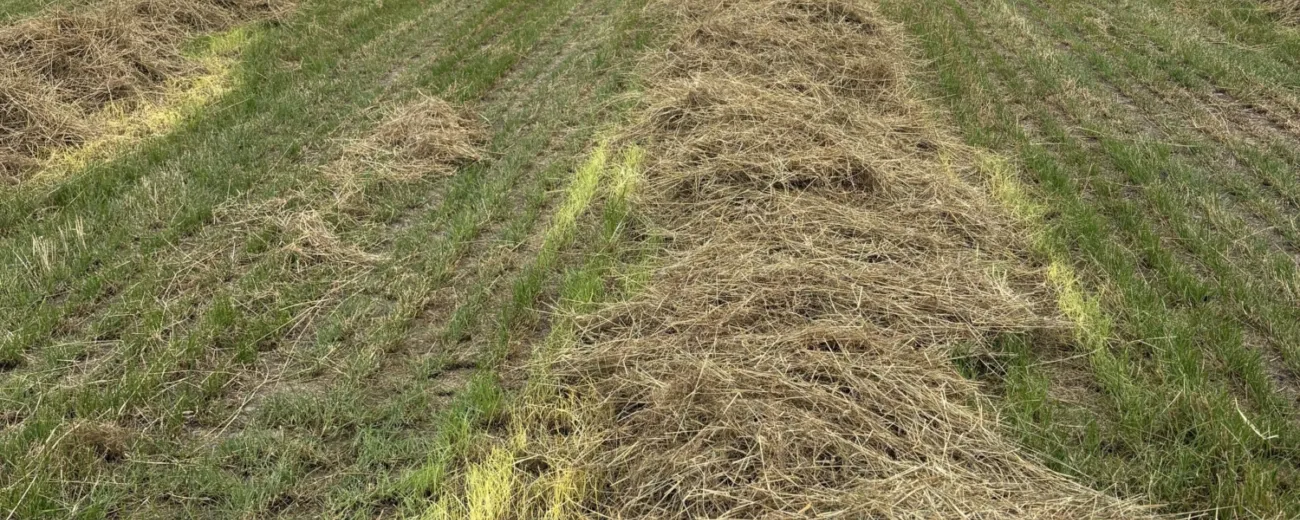
Rainy ryegrass

The Government has classified the past few months' of challenging weather conditions in Canterbury, Bay of Plenty, Gisborne/Tairāwhiti, as a medium-scale adverse event.

The Government has classified severe and challenging weather conditions in Canterbury, Bay of Plenty and Gisborne/Tairāwhiti, as a medium-scale adverse event, unlocking extra support for farmers and growers. 

Agriculture Minister Todd McClay says significant rainfall, flooding, slips, and hailstorms have caused damage to farms, orchards, cropping operations, and vital transport infrastructure.  

“Last month, the Government immediately announced we would be providing up to $200,000 in extra funding to Rural Support Trusts in affected regions to assist recovery efforts. 

In Canterbury, ongoing wet weather and hailstorms have created challenging conditions for arable farmers, with significant crop damage. In Tairāwhiti, it’s taken time to assess the full extent of damage to farms in Hicks Bay and surrounding areas which have been left isolated by slips and damage to roads. Slips have also damaged some kiwifruit orchards in the Bay of Plenty and closed key transport routes. Highway closures on the East Coast are hampering the movement of fresh vegetables and fruit, and livestock to meat processors. 

“We’ve been working closely with Rural Advisory Groups, which are critical regional bodies representing the rural sector and include Rural Support Trusts, to identify where support is most needed. This medium-scale adverse event classification unlocks further support, including tax relief. It also enables MSD to consider Rural Assistance Payments and activating Enhanced Taskforce Green.” 

Rural Communities Minister Mark Patterson is encouraging farmers and growers to seek support if they need it. 

“It’s important we help those farmers, growers, and rural communities now facing a lengthy clean-up,” Mr Patterson says. 

“We will continue to assess what support is needed in other areas which were also affected by the severe weather.” 

Farmers and growers needing assistance are encouraged to contact the Rural Support Trust on 0800 787 254.

Related Resources

26 February 2026

Do solar and batteries stack up for arable?

A number of arable farmers are partnering in a Government project exploring the use of solar and batteries on New Zealand farms.

Read more
26 February 2026

Early detection of brown marmorated stink bug confirms surveillance strength

A single male brown marmorated stink bug (BMSB) has been detected in a surveillance trap in Ōrākei, Auckland. The find was made on Tuesday 3 February, during routine monitoring.

Read more
26 February 2026

Farm decisions after a storm or other natural disaster

For two years after Cyclone Gabrielle, FAR spoke to a number of affected farmers and growers to learn how they , and their families, worked their way through the aftermath. Their answers were compiled into a lengthy report, then summarised into a poster outlining the most important things to consider and do in the daynewss and weeks following a disaster.

Read more
26 February 2026

Seeking arable participants for Beef + Lamb survey

Beef + Lamb New Zealand are seeking South Island mixed finishing farms to include in their national Sheep and Beef Farm survey. The survey links physical production with financial returns and the capital structure of farms. 

Read more
26 February 2026

Free herbicide resistance testing

Arable growers worried that some weeds in their crops may have developed herbicide resistance can now get the suspected plants tested for free. Find out how you can take part here.

Read more
26 February 2026

The drying and storage of grain and herbage seeds

Welcome to the revised 2025 version of  The drying and storage of grain and herbage seed, first published in 1999. The book comprises six chapters that cover grain characteristics and their reaction to climate, the importance of seed moisture, the drying system, the storage environment, storage pests and their control, and construction considerations. These have been edited and updated by FAR staff and independent experts from the original chapters written by the late Murray Hill.

Read more
26 February 2026

Economic impact of New Zealand's arable industry

The Arable Food Industry Council (AFIC) commissioned Business and Economic Research Limited (BERL) to provide a comprehensive overview of the diverse arable production activities in New Zealand and the associated economic impact to the New Zealand economy. 

Read more
26 February 2026

Fall armyworm surveillance network refined for 2025/26 season

A review of New Zealand’s fall armyworm surveillance network has confirmed that crop scouting is the most reliable and informative tool for understanding fall armyworm (FAW) activity. However, it also acknowledges that scouting is time consuming and that industry personnel struggle to keep up in the height of the season.

Read more
26 February 2026

Black-grass update December 2025

Growers are reminded to report any grass weeds that appear unfamiliar or could resemble black-grass (Alopecurus myosuroides). Early reporting remains one of our strongest tools for protecting the industry.

Read more
26 February 2026

Speeding up agricultural compound and veterinary medicine assessments

New Zealand Food Safety and the Australian Pesticides and Veterinary Medicines Authority (APVMA) have signed an agreement that will see the two countries sharing assessments of new products.

Read more

Ask FAR AI

Ask FAR is a new way to get information from the FAR website. Just ‘Ask FAR’ a question and you’ll get a quick, accurate response based on FAR research and resources. Ask FAR also provides links to the original documents for more information. It’s quick, easy and reliable. Ask FAR now!

Start Chatting
  • Research
  • Levies and Returns
  • Resources
  • Events
  • News
  • Contact Us
  • Schools
  • About Us
  • Privacy Policy
  • Terms of use

©2022 Foundation for Arable Research