
• Our Research
    • Research Strategy
    • Research Sites
    • Current Research Projects
    • Research Results
    • Research Collaborations
    • Research Resources
    • Seed Industry Research Centre
    Current Research
    Current Research
    Research Results
    Research Results
  • Resources
    • Biosecurity
    • Crop Action
    • Nutrient Management
    • Maize
    • Templates and Calculators
    • Cereals
    • Weeds
    • Pests
    • Seeds
    • Diseases
    • News
    • Environment
    • Soil
    • Schools
    Podcast
    Podcast
    Environment and Compliance
    Environment and Compliance
  • Levies & Returns
    • Arable Crops Levy
    • Maize Levy
    • Cereal Silage Levy
    • Farmer Annual Return Form
    • Wholesaler Annual Return Form
    Levies
    Levies
    Annual Returns
    Annual Returns
  • Events
  • News
  • About Us
    • Governance and growers
    • Business Strategy
    • Our People
    • Careers
    • Growers Leading Change
    • Women in Arable
    • Arable Ys
    • Arable Kids
    • Arable Research Groups (ARGs)
    • New Zealand Grown Grains
    Our People
    Our People
    Growers Leading Change
    Growers Leading Change
  • Ask FAR AI
  • Weather
  • Log In
Ask FAR AI
Weather
Log In
  • Homepage
  • Resources
  • Black Grass Update December 2025

Black-grass update December 2025

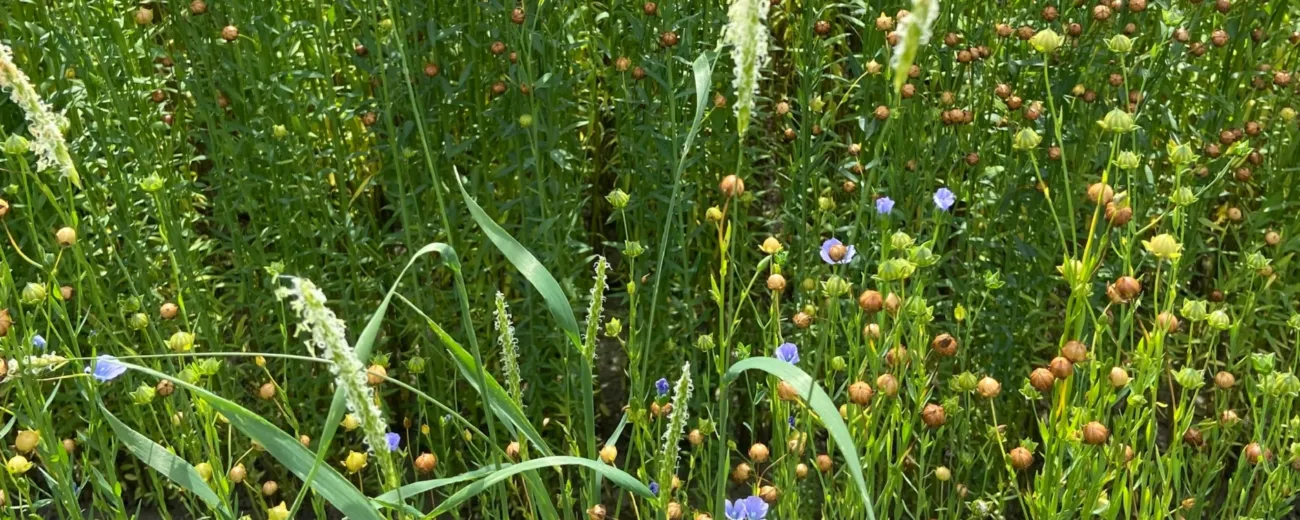
BG early flowering and stem extension

Growers are reminded to report any grass weeds that appear unfamiliar or could resemble black-grass (Alopecurus myosuroides). Early reporting remains one of our strongest tools for protecting the industry.

December is a key month for spotting Black-grass in the field, as plants are typically in the stem extension or flowering to early seed-head stage. Black-grass plants often stand slightly above the crop canopy, making them easier to see during field inspections These stages make the plant more visible. Seed heads stand above crops, and the fine awns give a distinctive look. In warmer areas, some plants may already be fully headed. Later spring germinations may still be tillering, but will be growing fast.

Since the confirmation of black-grass in a post-harvest seed test in May 2025, a detailed management and surveillance plan has been finalised and remains in action. The affected paddock continues under a strict management regime that includes crop rotations designed to optimise herbicide options and provide the best opportunity to detect any further plants. These measures have proven effective in all previous responses. All properties and sites of interest are now included in a comprehensive surveillance programme. 

The grass-straw bales from the affected property have been safely transported to a secure facility and are being destroyed using air-curtain incineration, the same proven method used successfully in the 2021 Black-grass incursion. This ensures no residual risk of spread.

The 2021 Black-grass response also continues to progress as planned, with the surveillance schedule operating effectively. No Black-grass has been detected since the initial finds, and several of the first properties and associated sites have now completed surveillance, been confirmed free of Black-grass, and removed from the active schedule.

Industry and MPI continue to work closely to maintain vigilance as summer growth progresses. Please remain alert for suspicious grass weeds. The importation of seed and grain always carries some risk, and Black-grass can appear anywhere. Finding it is not a cause for blame or shame—prompt reporting through the correct channels is essential to protect our industry.

If you suspect black-grass, do not disturb the plant. Take a photo and report it immediately to the Biosecurity New Zealand Pest and Disease Hotline (0800 80 99 66).

Further information about black-grass can be found here or on the Environment Canterbury website here, or contact Ivan.Lawrie@far.org.nz or Ashley.Mills@far.org.nz 

Related Resources

04 December 2025

Black-grass update

Growers are reminded to report any grass weeds that appear unfamiliar or could resemble black-grass (Alopecurus myosuroides). Early reporting remains one of our strongest tools for protecting the industry.

Read more
04 December 2025

Fall armyworm update: 4 April 2025

Find out regional information on Fall armyworm as of April 4 2025.

Read more
04 December 2025

Blackgrass and fall armyworm levy update

Seed and Grain Readiness and Response Incorporated (“SGRR”) is a biosecurity entity for the arable sector. It was established in 2020 under the Government Industry Agreement for Biosecurity (GIA). It is currently collecting levies to cover the costs of the two biosecurity incursions, black grass and fall armyworm. 

Read more
04 December 2025

Fall armyworm update: 14 March 2025

Check out the latest fall armyworm update here. 

Read more
04 December 2025

Fall armyworm update, 14 February 2025

Current status: FAW populations continue to develop across New Zealand. Northland awaits the third main moth flight of the season, with the key time for scouting and decision-making approaching. Maize grain and sweetcorn growers should be particularly vigilant during this period.

Read more
04 December 2025

Fall armyworm update: 31 January, 2025

Fall armyworm numbers continue to rise as the season progresses, with the top half of Northland in particular beginning to see levels that would require chemical intervention. Read more in this week's update.

Read more
04 December 2025

Fall armyworm update, 17 January, 2025

FAW second generation begins. This update provides the latest regional findings, pest dynamics, and management recommendations.

Read more
04 December 2025

Fall armyworm update, 13 December 2024

Fall armyworm has been found at one property, in a sweetcorn crop near Nelson. Further finds have been confirmed in several locations across Northland. Contact your local agronomist for advice as local knowledge is key to effective management.

Read more
04 December 2025

Fall armyworm update 22 November, 2024

Fall armyworm finds have been confirmed in several locations across Northland, find out more in this fall armyworm update. 

Read more
04 December 2025

Fall armyworm update, 1 November 2024

Fall armyworm updates are back for the 2024/25 season. Read it here. 

Read more

Ask FAR AI

Ask FAR is a new way to get information from the FAR website. Just ‘Ask FAR’ a question and you’ll get a quick, accurate response based on FAR research and resources. Ask FAR also provides links to the original documents for more information. It’s quick, easy and reliable. Ask FAR now!

Start Chatting
  • Research
  • Levies and Returns
  • Resources
  • Events
  • News
  • Contact Us
  • Schools
  • About Us
  • Privacy Policy
  • Terms of use

©2022 Foundation for Arable Research