
• Our Research
    • Research Strategy
    • Research Sites
    • Current Research Projects
    • Research Results
    • Research Collaborations
    • Research Resources
    • Seed Industry Research Centre
    Current Research
    Current Research
    Research Results
    Research Results
  • Resources
    • Biosecurity
    • Crop Action
    • Nutrient Management
    • Maize
    • Templates and Calculators
    • Cereals
    • Weeds
    • Pests
    • Seeds
    • Diseases
    • News
    • Environment
    • Soil
    • Schools
    Podcast
    Podcast
    Environment and Compliance
    Environment and Compliance
  • Levies & Returns
    • Arable Crops Levy
    • Maize Levy
    • Cereal Silage Levy
    • Farmer Annual Return Form
    • Wholesaler Annual Return Form
    Levies
    Levies
    Annual Returns
    Annual Returns
  • Events
  • News
  • About Us
    • Governance and growers
    • Business Strategy
    • Our People
    • Careers
    • Growers Leading Change
    • Women in Arable
    • Arable Ys
    • Arable Kids
    • Arable Research Groups (ARGs)
    • New Zealand Grown Grains
    Our People
    Our People
    Growers Leading Change
    Growers Leading Change
  • Ask FAR AI
  • Weather
  • Log In
Ask FAR AI
Weather
Log In
  • Homepage
  • Resources
  • Black Grass Update January 2026

Black-grass update - January 2026

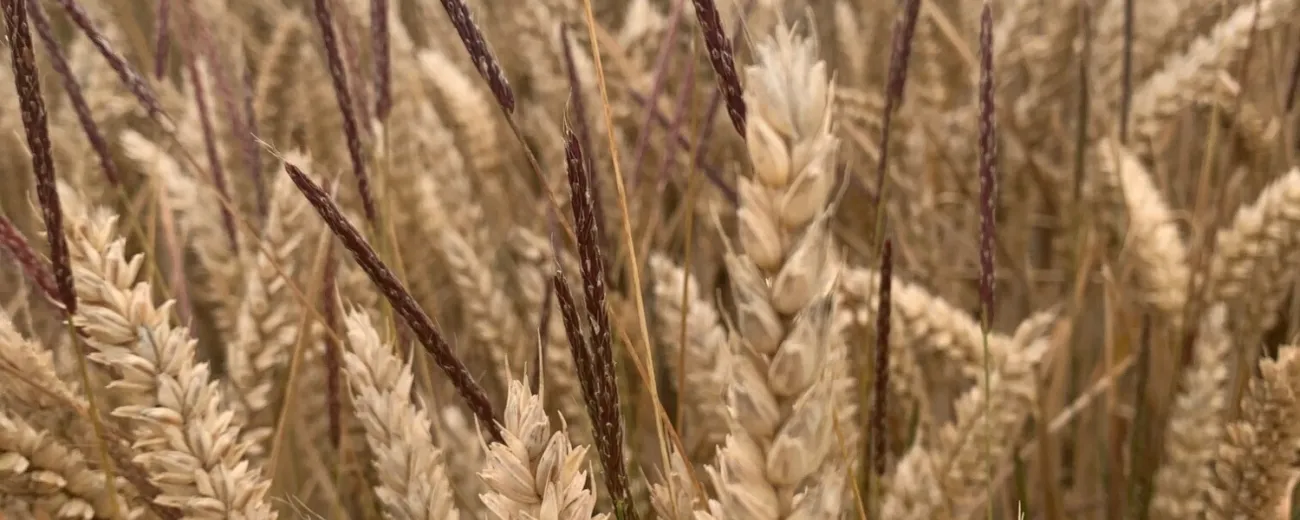
Black grass Matilda

Read information on scouting and the current black-grass situation in this January 2026 update.

Black-grass (Alopecurus myosuroides) is a high-risk invasive grass weed in temperate cropping systems. Overseas, it has reduced yields, disrupted rotations, and developed herbicide resistance. These impacts show why early detection matters in New Zealand.

New Zealand has had only isolated detections. Each response has relied on rapid reporting, strict movement controls, and repeated surveillance. This approach has prevented establishment. Continued awareness across the industry remains essential.

January is a key time to spot black-grass
By January, black-grass seed heads are likely to be at or above the crop canopy. Seed heads may be starting to mature. This is a critical window to find plants before they reach the point where seed can shed. Early detection at this stage reduces the chance of spread.
When scouting, look for:
•    Seed heads held above the crop canopy.
•    Patchy or single plants that stand out from the crop.
•    Seed heads becoming firmer and more mature as the month progresses.
If you see an unfamiliar grass that could be black-grass, treat it as suspect and report it.


Surveillance results (good news)
AsureQuality has been scouting all paddocks related to the 2025 incursion and has found no black-grass. Paddocks still under surveillance from the 2021 incursion have also been scouted thoroughly by AsureQuality, with no black-grass found. This is very positive progress.

Reporting remains essential
Black-grass can appear anywhere. Finding it is not a cause for blame or shame. But rapid reporting through the correct channels is essential to protect the industry.
If you suspect black-grass, do not disturb the plant. Take a photo and report it immediately to the Biosecurity New Zealand Pest and Disease Hotline (0800 80 99 66).
Further information about black-grass can be found here or on the Environment Canterbury website here, or contact Ivan.Lawrie@far.org.nz or Ashley.Mills@far.org.nz 
 

Related Resources

10 January 2026

Free herbicide resistance testing

Arable growers worried that some weeds in their crops may have developed herbicide resistance can now get the suspected plants tested for free. Find out how you can take part here.

Read more
10 January 2026

Report all velvetleaf

A velvetleaf find in a paddock that has been ‘clean’ for seven years, is a clear reminder of how long this weed’s seed will remain viable.

Read more
10 January 2026

Black-grass update December 2025

Growers are reminded to report any grass weeds that appear unfamiliar or could resemble black-grass (Alopecurus myosuroides). Early reporting remains one of our strongest tools for protecting the industry.

Read more
10 January 2026

ARIA 2025 booklet

If you couldn't make it to ARIA this year, make sure you check out the booklet here. 

Read more
10 January 2026

H81 Managing small broomrape in clover

This Arable Update describes the biology of small broomrape and initial data on control options including herbicides and their application timing.

Read more
10 January 2026

Maize update 92: Mechanical weeding in maize

Maize is one of the easiest crops to mechanically weed and levels of weed control comparable to herbicides can be achieved. Find out more about the options available and how they work in this maize update.

Read more
10 January 2026

Black-grass update

Growers are reminded to report any grass weeds that appear unfamiliar or could resemble black-grass (Alopecurus myosuroides). Early reporting remains one of our strongest tools for protecting the industry.

Read more
10 January 2026

Webinar: Managing herbicide resistance pre-autumn sowing

Watch the recording for a webinar with FAR Senior Field Officer Ben Harvey on managing herbicide resistance pre-autumn sowing, covering what is herbicide resistance and methods to reduce the risk of herbicide resistance.

Read more
10 January 2026

Fall armyworm update: 4 April 2025

Find out regional information on Fall armyworm as of April 4 2025.

Read more
10 January 2026

Blackgrass and fall armyworm levy update

Seed and Grain Readiness and Response Incorporated (“SGRR”) is a biosecurity entity for the arable sector. It was established in 2020 under the Government Industry Agreement for Biosecurity (GIA). It is currently collecting levies to cover the costs of the two biosecurity incursions, black grass and fall armyworm. 

Read more

Ask FAR AI

Ask FAR is a new way to get information from the FAR website. Just ‘Ask FAR’ a question and you’ll get a quick, accurate response based on FAR research and resources. Ask FAR also provides links to the original documents for more information. It’s quick, easy and reliable. Ask FAR now!

Start Chatting
  • Research
  • Levies and Returns
  • Resources
  • Events
  • News
  • Contact Us
  • Schools
  • About Us
  • Privacy Policy
  • Terms of use

©2022 Foundation for Arable Research