
• Our Research
    • Research Strategy
    • Research Sites
    • Current Research Projects
    • Research Results
    • Research Collaborations
    • Research Resources
    • Seed Industry Research Centre
    Current Research
    Current Research
    Research Results
    Research Results
  • Resources
    • Biosecurity
    • Crop Action
    • Nutrient Management
    • Maize
    • Templates and Calculators
    • Cereals
    • Weeds
    • Pests
    • Seeds
    • Diseases
    • News
    • Environment
    • Soil
    • Schools
    Podcast
    Podcast
    Environment and Compliance
    Environment and Compliance
  • Levies & Returns
    • Arable Crops Levy
    • Maize Levy
    • Cereal Silage Levy
    • Farmer Annual Return Form
    • Wholesaler Annual Return Form
    Levies
    Levies
    Annual Returns
    Annual Returns
  • Events
  • News
  • About Us
    • Governance and growers
    • Business Strategy
    • Our People
    • Careers
    • Growers Leading Change
    • Women in Arable
    • Arable Ys
    • Arable Kids
    • Arable Research Groups (ARGs)
    • New Zealand Grown Grains
    Our People
    Our People
    Growers Leading Change
    Growers Leading Change
  • Ask FAR AI
  • Weather
  • Log In
Ask FAR AI
Weather
Log In
  • Homepage
  • Resources
  • Aimi New Zealand Survey Of Cereals Areas And Volumes October 10 2025

AIMI New Zealand survey of cereals areas and volumes: October 10, 2025

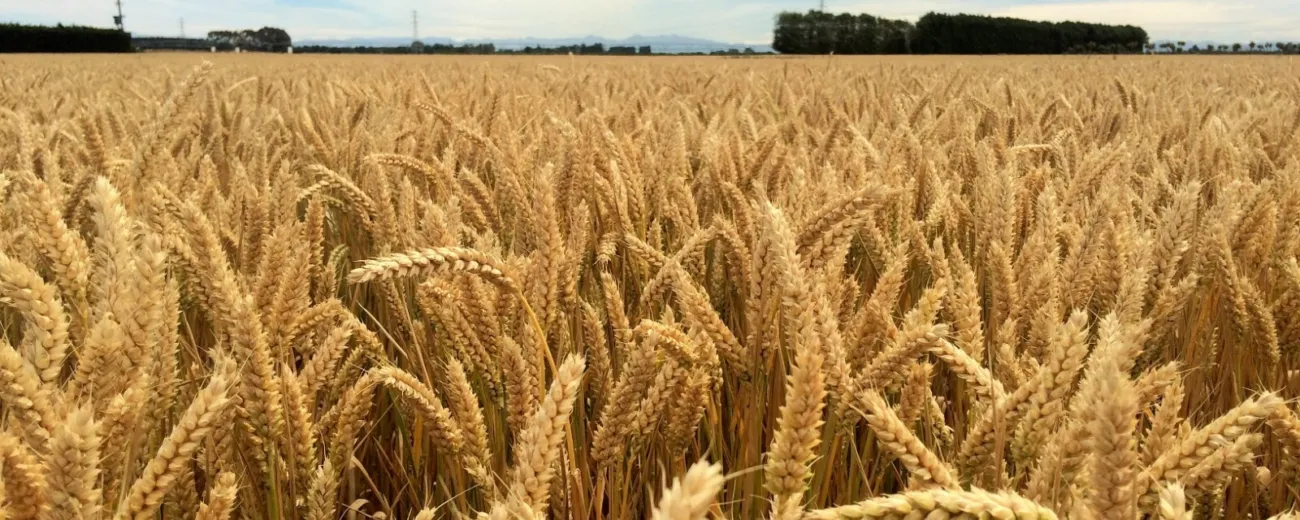
Wheat kowhai
12 November 2025
Read PDF Online

The AIMI survey of New Zealand cereal growers, as at 10 October, 2025 is now available online.

Key points at 10 October 2025 (figures have been rounded to nearest 100): 

  • For the 2024/25 season, cereal grain production (wheat, barley and oats) in NZ totaled an estimated 822,600 tonnes (down 2% on last year), from 97,400 hectares (similar as last year).
  • Unsold stocks of cereal grain, summed over all six crops, are estimated to have reduced by 38% between 1 July 2025 and 10 October 2025.
  • Unsold stocks of cereal grain, summed over all six crops, are estimated to be 65% higher (50,500 tonnes) as at 10 October 2025 when compared to the same time last year. This is mainly due to greater stocks of unsold feed barley (49,700 tonnes, up 34,800 tonnes) and malting barley (25,600 tonnes, up 23,200 tonnes). As at 10 October 2025, unsold stocks of feed wheat were estimated to be 45,000 tonnes. Unsold stocks of milling wheat were estimated to be 7,000 tonnes (down 12,700 tonnes on last year).
  • On-farm storage of sold grain is down 22% (down 54,500 tonnes) on this time last year. Total on-farm storage, including both sold and unsold grain, summed over all six crops, is similar compared to the same time last year at 326,200 tonnes.
  • The total area sown or intended to be sown in cereals for harvest in 2026 is estimated to be 84,400 hectares, which is down 4% (3,200 ha) on the area harvested in 2025. An estimated 90% of this total area had been sown, which is higher than the average over the previous ten seasons (85%). 

Read the full report here. 

Downloads

  • AIMI Cereals October 2025 Report 685.532 KB

Related Resources

09 December 2025

2024 Cereal Disease Management Strategy - Part 1

This Cereal Disease Management Strategy summarises the results of FAR research conducted between 2022 and 2024. It provides an overview of the most important diseases currently affecting wheat and barley in New Zealand, and outlines a range of cereal disease management strategies and approaches derived from numerous FAR research trials. 

Read more
09 December 2025

ARIA 2025 booklet

If you couldn't make it to ARIA this year, make sure you check out the booklet here. 

Read more
09 December 2025

The drying and storage of grain and herbage seeds

Welcome to the revised 2025 version of  The drying and storage of grain and herbage seed, first published in 1999. The book comprises six chapters that cover grain characteristics and their reaction to climate, the importance of seed moisture, the drying system, the storage environment, storage pests and their control, and construction considerations. These have been edited and updated by FAR staff and independent experts from the original chapters written by the late Murray Hill.

Read more
09 December 2025

Arable Industry Code of Conduct

Read the full arable industry code of conduct here. 

Read more
09 December 2025

Cereals Update 235: Managing SDHIs for prolonged performance in autumn sown wheat

This Arable Update outlines practical strategies for using SDHIs effectively in the field while protecting their long-term efficacy.

Read more
09 December 2025

Cereals update 234: Managing Septoria: Latest results on SDHI performance

This Update outlines the latest results on how Zymoseptoria tritici (Zt), the fungus that causes Septoria tritici blotch (STB), is responding to succinate dehydrogenase inhibitor (SDHI - Group 3) fungicides in New Zealand wheat crops.

Read more
09 December 2025

Cereals update 233: Managing triazoles for prolonged performance in autumn sown wheat

This Arable Update illustrates how alternating and mixing Modes of Actions and active ingredients can help sustain disease control, protect yield, and deliver financial returns.

Read more
09 December 2025

Cereals update 232: Managing Septoria: Latest results on triazole performance

This Update outlines the latest results on how Zymoseptoria tritici (Zt), the fungus that causes Septoria tritici blotch (STB), is responding to triazole fungicides in New Zealand wheat crops.

Read more
09 December 2025

Farm-saved seed royalty system

Farmers who save and replant legally protected cereal varieties can voluntarily declare their usage and pay a breeder royalty. The declaration system applies to all farm saved seed barley, and to farmer saved wheat if the resultant wheat crop does not pass through an end-point royalty collection agent. 

Read more
09 December 2025

Black-grass update

Growers are reminded to report any grass weeds that appear unfamiliar or could resemble black-grass (Alopecurus myosuroides). Early reporting remains one of our strongest tools for protecting the industry.

Read more

Ask FAR AI

Ask FAR is a new way to get information from the FAR website. Just ‘Ask FAR’ a question and you’ll get a quick, accurate response based on FAR research and resources. Ask FAR also provides links to the original documents for more information. It’s quick, easy and reliable. Ask FAR now!

Start Chatting
  • Research
  • Levies and Returns
  • Resources
  • Events
  • News
  • Contact Us
  • Schools
  • About Us
  • Privacy Policy
  • Terms of use

©2022 Foundation for Arable Research