
• Our Research
    • Research Strategy
    • Research Sites
    • Current Research Projects
    • Research Results
    • Research Collaborations
    • Research Resources
    • Seed Industry Research Centre
    Current Research
    Current Research
    Research Results
    Research Results
  • Resources
    • Biosecurity
    • Crop Action
    • Nutrient Management
    • Maize
    • Templates and Calculators
    • Cereals
    • Weeds
    • Pests
    • Seeds
    • Diseases
    • News
    • Environment
    • Soil
    • Schools
    Podcast
    Podcast
    Environment and Compliance
    Environment and Compliance
  • Levies & Returns
    • Arable Crops Levy
    • Maize Levy
    • Cereal Silage Levy
    • Farmer Annual Return Form
    • Wholesaler Annual Return Form
    Levies
    Levies
    Annual Returns
    Annual Returns
  • Events
  • News
  • About Us
    • Governance and growers
    • Business Strategy
    • Our People
    • Careers
    • Growers Leading Change
    • Women in Arable
    • Arable Ys
    • Arable Kids
    • Arable Research Groups (ARGs)
    • New Zealand Grown Grains
    Our People
    Our People
    Growers Leading Change
    Growers Leading Change
  • Ask FAR AI
  • Weather
  • Log In
Ask FAR AI
Weather
Log In
  • Homepage
  • Resources
  • T 002 Combine Settings In Wet Conditions

T002 Combine settings in wet conditions

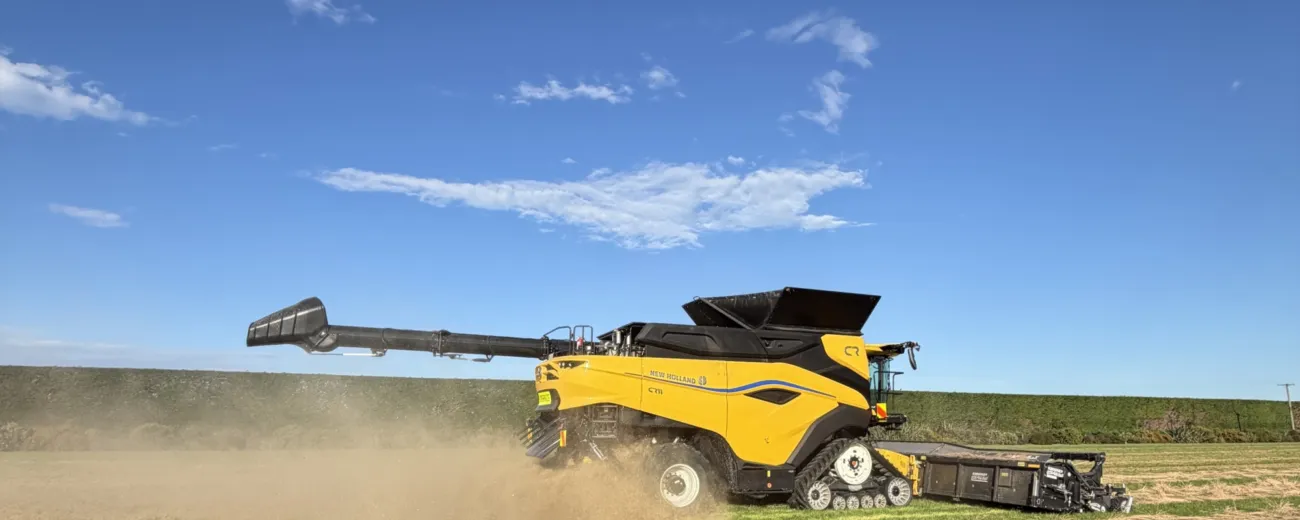
NH ryegrass at Chertsey 2026

Sometimes, the only way to bring in a crop is to harvest in conditions that are less than ideal. If you find yourself in this situation, it’s a good idea to think about your combine settings to help reduce losses and prevent unnecessary breakdowns. This Technical Update  covers some of the key points for getting the job done .

Key points

  • Lower initial rotor/cylinder speed with wider concave settings in very wet conditions.
  • Increased sieve opening and careful fan speed adjustments.
  • Frequent cleaning of the cleaning shoes, stone traps, header, and feeder systems. 
  • Daily inspections and lubrication to counter wet‑induced wear.

Read it here

Related Resources

20 February 2026

Maize update 93: Making the most of long-term reduced tillage data

Between 2005 and 2020 FAR conducted 38 trials investigating tillage establishment methods for maize production. Most were analysed at the individual site/trial level. Maize update 93 discusses insights gained from aggregating all of this trial data. It includes information on the effects of crop establishment methods on established plant populations, maize yields and, where available, associated gross margins.

Read more
20 February 2026

Impact of establishment method on maize grain and silage crops

This report discusses the effects of maize establishment methods on established plant populations, maize yields, and associated gross margins. It is based on the findings of 38 FAR maize tillage and establishment trials between 2005 and 2020.

Read more
20 February 2026

Harvest Snippets 2026

Harvest Snippets provides a harvest season summary of the Cultivar Performance Trials. Find all the 2025/2026 season harvest snippets here.

Read more
20 February 2026

Checking maize maturity pre-harvest

Start checking maize crop maturity about three weeks prior to when you think you’ll be starting your silage harvest. Good quality maize silage is best made when whole plant dry matter is between 30-40%

Read more
20 February 2026

Growing maize on peat soils

This is the handout from a field day hosted by the Stobie family, Gordonton, Waikato on 4 February 2026.

Read more
20 February 2026

Yield responses to fungicides in perennial ryegrass seed crops

Stem rust (Puccinia graminis subsp. graminicola) is the most damaging of the ryegrass diseases. This update discusses how different fungicide programmes and timings affect seed yield. It compares early versus late applications and offers practical advice to help growers improve rust control and maximise returns.

Read more
20 February 2026

H79 Perennial ryegrass harvest timing - maximising yield and minimising losses

This Herbage Update defines a more accurate harvest window for perennial ryegrass seed crops. Read more here.

Read more
20 February 2026

The drying and storage of grain and herbage seeds

Welcome to the revised 2025 version of  The drying and storage of grain and herbage seed, first published in 1999. The book comprises six chapters that cover grain characteristics and their reaction to climate, the importance of seed moisture, the drying system, the storage environment, storage pests and their control, and construction considerations. These have been edited and updated by FAR staff and independent experts from the original chapters written by the late Murray Hill.

Read more
20 February 2026

Report all velvetleaf

A velvetleaf find in a paddock that has been ‘clean’ for seven years, is a clear reminder of how long this weed’s seed will remain viable.

Read more
20 February 2026

Measuring harvest loss in New Zealand 2025

Between January and May 2025, FAR and harvester specialists conducted a comprehensive study to quantify the grain and seed left in the paddock by New Zealand growers and identify opportunities to optimise harvester performance. 

Read more

Ask FAR AI

Ask FAR is a new way to get information from the FAR website. Just ‘Ask FAR’ a question and you’ll get a quick, accurate response based on FAR research and resources. Ask FAR also provides links to the original documents for more information. It’s quick, easy and reliable. Ask FAR now!

Start Chatting
  • Research
  • Levies and Returns
  • Resources
  • Events
  • News
  • Contact Us
  • Schools
  • About Us
  • Privacy Policy
  • Terms of use

©2022 Foundation for Arable Research