
• Our Research
    • Research Strategy
    • Research Sites
    • Current Research Projects
    • Research Results
    • Research Collaborations
    • Research Resources
    • Seed Industry Research Centre
    Current Research
    Current Research
    Research Results
    Research Results
  • Resources
    • Biosecurity
    • Crop Action
    • Nutrient Management
    • Maize
    • Templates and Calculators
    • Cereals
    • Weeds
    • Pests
    • Seeds
    • Diseases
    • News
    • Environment
    • Soil
    • Technology
    • Schools
    Podcast
    Podcast
    Environment and Compliance
    Environment and Compliance
  • Levies & Returns
    • Arable Crops Levy
    • Maize Levy
    • Cereal Silage Levy
    • Farmer Annual Return Form
    • Wholesaler Annual Return Form
    Levies
    Levies
    Annual Returns
    Annual Returns
  • Events
  • News
  • About Us
    • Governance and growers
    • Business Strategy
    • Our People
    • Careers
    • Growers Leading Change
    • Women in Arable
    • Arable Ys
    • Arable Kids
    • Arable Research Groups (ARGs)
    • New Zealand Grown Grains
    Our People
    Our People
    Growers Leading Change
    Growers Leading Change
  • Ask FAR AI
  • Weather
  • Log In
Ask FAR AI
Weather
Log In
  • Homepage
  • Resources
  • Aimi New Zealand Survey Of Cereals Areas And Volumes July 1 2026

AIMI New Zealand survey of cereals areas and volumes: July 1, 2026

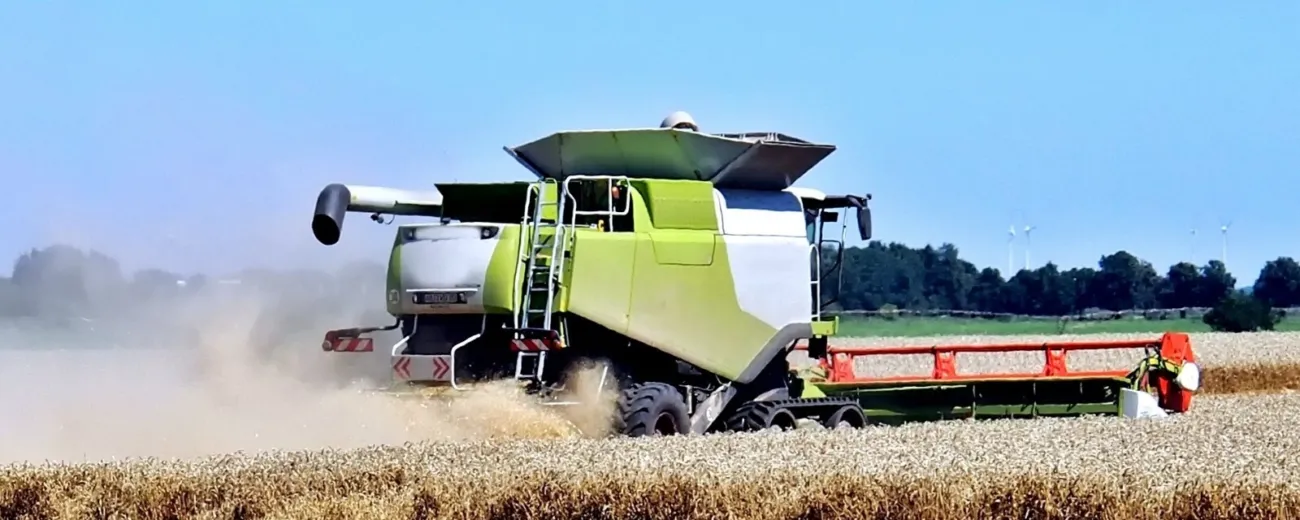
Harvest cereals machines agriculture 163740 2

The AIMI survey of New Zealand cereal growers, as at July 1, 2026 is now available online.

Key points at 1 July 2026 (figures have been rounded to the nearest 100):

  • Difficult harvest conditions were noted across most growing regions, resulting in poor grain quality in some areas. Frequent hailstorms across Canterbury also damaged some crops.
  • 2026 harvest data showed that total tonnages combined from all six crops were down 3% (23,100 tonnes), compared to last season from a lower harvest area (4% decrease, 3,700 hectares). Although the resulting average yield of 8.7 t/ha across all crops was identical to last season (0% change).
  • Unsold stocks of grain totalled over all six cereal crops, are down by 13,300 tonnes compared to last season. This is largely due to lower stocks of unsold feed wheat (down 17,000 t) and malting barley (down 3,400 t), coupled with an increase in unsold milling wheat (up 10,400 t).
  • When totalled over all six cereal crops, the 2027 harvest hectares are predicted to be 14% down on the 2026 harvest hectares (from 94,300 hectares to 81,400 hectares). Notes that only 59% of crops had been established by 1 July, 2026, the remainder are intentions to be sown in the spring. 

Read the full report here. 

Related Resources

05 August 2026

Call for grower participants - oat monitor paddock project

FAR, in partnership with the Oat Industry Group (OIG), is seeking growers in South Otago and Southland interested in hosting a monitor paddock as part of a new three-year project assessing the regional resilience of emerging milling oat cultivars.

Read more
05 August 2026

2025-26 Spring sown CPT book

This CPT book outlines trial-specific yields and individual cultivar disease ratings for spring sown wheat and barley cultivars included in the 2025-2026 CPT trials.

Read more
05 August 2026

2025/26 Autumn sown CPT booklet

This book outlines trial-specific yields and individual cultivar disease ratings for autumn sown wheat and barley cultivars included in the 2025-2026 CPT trials.

Read more
05 August 2026

From the Ground Up: Autumn 2026

Welcome to the autumn 2026 edition of From the Ground Up. 

Read more
05 August 2026

Autumn round up booklet 2026

Find the booklet for the autumn round up 2026 event series here.

Read more
05 August 2026

Harvest Snippets 2026

Harvest Snippets provides a harvest season summary of the Cultivar Performance Trials. Find all the 2025/2026 season harvest snippets here.

Read more
05 August 2026

T002 Combine settings in wet conditions

Sometimes, the only way to bring in a crop is to harvest in conditions that are less than ideal. If you find yourself in this situation, it’s a good idea to think about your combine settings to help reduce losses and prevent unnecessary breakdowns. This Technical Update  covers some of the key points for getting the job done .

Read more
05 August 2026

The drying and storage of grain and herbage seeds

Welcome to the revised 2025 version of  The drying and storage of grain and herbage seed, first published in 1999. The book comprises six chapters that cover grain characteristics and their reaction to climate, the importance of seed moisture, the drying system, the storage environment, storage pests and their control, and construction considerations. These have been edited and updated by FAR staff and independent experts from the original chapters written by the late Murray Hill.

Read more
05 August 2026

Measuring harvest loss in New Zealand 2025

Between January and May 2025, FAR and harvester specialists conducted a comprehensive study to quantify the grain and seed left in the paddock by New Zealand growers and identify opportunities to optimise harvester performance. 

Read more
05 August 2026

2024 Cereal Disease Management Strategy - Part 1

This Cereal Disease Management Strategy summarises the results of FAR research conducted between 2022 and 2024. It provides an overview of the most important diseases currently affecting wheat and barley in New Zealand, and outlines a range of cereal disease management strategies and approaches derived from numerous FAR research trials. 

Read more

Ask FAR AI

Ask FAR is a new way to get information from the FAR website. Just ‘Ask FAR’ a question and you’ll get a quick, accurate response based on FAR research and resources. Ask FAR also provides links to the original documents for more information. It’s quick, easy and reliable. Ask FAR now!

Start Chatting
  • Research
  • Levies and Returns
  • Resources
  • Events
  • News
  • Contact Us
  • Schools
  • About Us
  • Privacy Policy
  • Terms of use

©2022 Foundation for Arable Research