
• Our Research
    • Research Strategy
    • Research Sites
    • Current Research Projects
    • Research Results
    • Research Collaborations
    • Research Resources
    • Seed Industry Research Centre
    Current Research
    Current Research
    Research Results
    Research Results
  • Resources
    • Biosecurity
    • Crop Action
    • Nutrient Management
    • Maize
    • Templates and Calculators
    • Cereals
    • Weeds
    • Pests
    • Seeds
    • Diseases
    • News
    • Environment
    • Soil
    • Schools
    Podcast
    Podcast
    Environment and Compliance
    Environment and Compliance
  • Levies & Returns
    • Arable Crops Levy
    • Maize Levy
    • Cereal Silage Levy
    • Farmer Annual Return Form
    • Wholesaler Annual Return Form
    Levies
    Levies
    Annual Returns
    Annual Returns
  • Events
  • News
  • About Us
    • Governance and growers
    • Business Strategy
    • Our People
    • Careers
    • Growers Leading Change
    • Women in Arable
    • Arable Ys
    • Arable Kids
    • Arable Research Groups (ARGs)
    • New Zealand Grown Grains
    Our People
    Our People
    Growers Leading Change
    Growers Leading Change
  • Ask FAR AI
  • Weather
  • Log In
Ask FAR AI
Weather
Log In
  • Homepage
  • Resources
  • Grain Nutrient Analysis 2026 Harvest

Grain nutrient analysis 2026 harvest

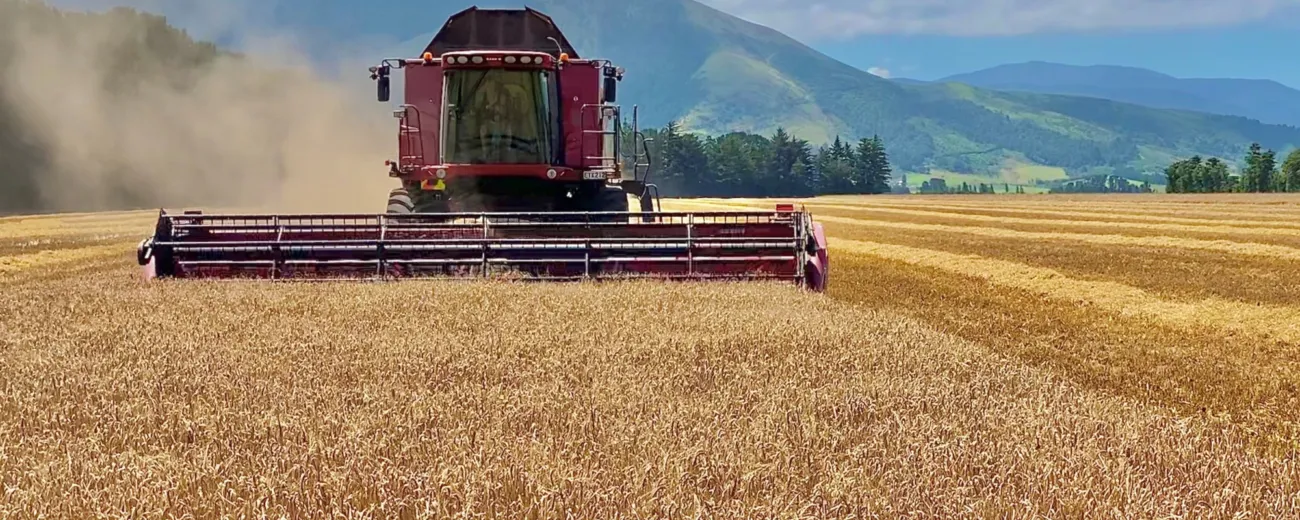
2021 wheat harvest Canterbury
21 January 2026
Read PDF Online

Ever wondered about your crop’s nutrient status? Grain nutrient analysis measures the final results of all the decisions you have made in growing your crop. FAR is again supporting growers who wish to submit grain and seed samples for nutrient analysis from the 2026 Harvest.

Grain nutrient analysis is another tool for growers improved understanding has been a main driver for growers submitting samples in previous years. Results you get give insights into grain nutrient levels, deficiencies, nutrient offtake and nutrient efficiencies. 

FAR is again supporting growers who wish to submit grain and seed samples for nutrient analysis from the 2026 Harvest. The reporting will be a little different this year.

Growers will still be able to use the information to:

  • Understand nutrient off take to help manage soil nutrient status and applications for future crops.
  • Compare the nutrient status of your crop with others harvested in 2026.
  • Review the final results of your season's nutrient management and evaluate changes to your nutrient strategy for coming seasons.

What's involved:

  • Growers collect a grain or seed sample at harvest & submit to Hill Lab.
  • Samples are analysed for the 12 essential macro and micro nutrients.
  • Growers provide some paddock information on soils, fertiliser and yield to FAR.

How will reporting be completed for harvest 2026? 

  • Growers will be able to calculate offtakes via a simple spreadsheet report.
  • Seasonal nutrient ranges will be reported at the end of the season to all growers - you will be able to compare your individual results to these, but individual benchmarking reports that have been provided in previous seasons will not be available. 

What crops can be accepted? 

  • All cereals
  • Oilseed rape
  • Linseed
  • Peas

What does it cost?

Growers will be charged for lab analysis costs directly by Hills Labs, approx. $105 per sample for cereals and peas and $176 per sample for Oilseed rape and Linseed.

To find out more or submit a sample contact:  FAR 03 345 5783, or donna.lill@far.org.nz

Read more on previous years of this project here. 

Find out how to take a sample here.

Downloads

  • 260101 Grain Nutrient Analysis NZ Harvest 2026 Sample collection 647.597 KB

Related Resources

21 January 2026

Arable Extra Issue 143: N Smart: Six soil-driven steps to smarter nitrogen fertiliser decisions

This arable extra outlines six steps to help you to reduce your nitrogen costs by factoring in what is in the soil using tests and tools available. 

Read more
21 January 2026

H82 Irrigation management for browntop seed crops

This Herbage Update summarises findings from three seasons of irrigation on browntop trials in Canterbury, New Zealand.

Read more
21 January 2026

H80 Irrigation management for perennial ryegrass seed crops

This Herbage Update summarises three seasons of irrigation experiments investigating yield penalties from early versus late-season drought and identifying mechanisms to guide irrigation strategies for improved water-use efficiency.

Read more
21 January 2026

FAR Technical Report Issue 2 - Moisture Monitoring Project 2024/25

This report outlines findings from the moisture probe trial including the performance of each of the systems tested in Year 2 (2024-25) and outlines key points to consider when choosing a moisture monitoring system based on findings from both year’s work.

Read more
21 January 2026

Moisture probe trial at Chertsey research site

The moisture probe trial is back for 2025-26 season. We have moisture probes from different providers installed at our Chertsey research site. View the different companies dashboards here.

Read more
21 January 2026

2G and 3G decommission - what you need to know

With Spark and One NZ decommissioning their 2G and 3G networks across the country near the end of 2025. FAR has contacted the companies involved with the moisture probe trial to find out how it could affect your farm.

Read more
21 January 2026

Autumn round up booklet 2025

Read the booklet for the 2025 autumn round up series here. 

Read more
21 January 2026

Moisture monitoring considerations

FAR's technology manager Chris Smith gives you some tips and tricks to help you pick the best moisture sensor for your system.

Read more
21 January 2026

FAR Technical Report Issue 1: Moisture Monitoring Project 2023/24

In 2023, FAR set up a Moisture Monitoring project at its Kowhai Research Site in Lincoln to provide independent insights into the range of moisture monitoring systems available in New Zealand. This report covers findings from the first year of the trial and outlines key considerations when choosing a moisture monitoring system.

Read more
21 January 2026

Oilseed O1: Oil seed rape management

Pure Oil NZ and FAR are collaborating to monitor oilseed rape (OSR) paddocks to identify strategies to improve yields. Their work has identified that many growers could reduce the amount of nitrogen applied to OSR crops without impacting on yield or profit.

Read more

Ask FAR AI

Ask FAR is a new way to get information from the FAR website. Just ‘Ask FAR’ a question and you’ll get a quick, accurate response based on FAR research and resources. Ask FAR also provides links to the original documents for more information. It’s quick, easy and reliable. Ask FAR now!

Start Chatting
  • Research
  • Levies and Returns
  • Resources
  • Events
  • News
  • Contact Us
  • Schools
  • About Us
  • Privacy Policy
  • Terms of use

©2022 Foundation for Arable Research